Why Generic AI-Polished Branding Is Becoming a Liability, Not an Asset
In 2026, every startup can look polished. The brands that win are the ones that feel specific — and AI can't fake specificity.
Nidhi Dhruv
Founder | Brand Consultant
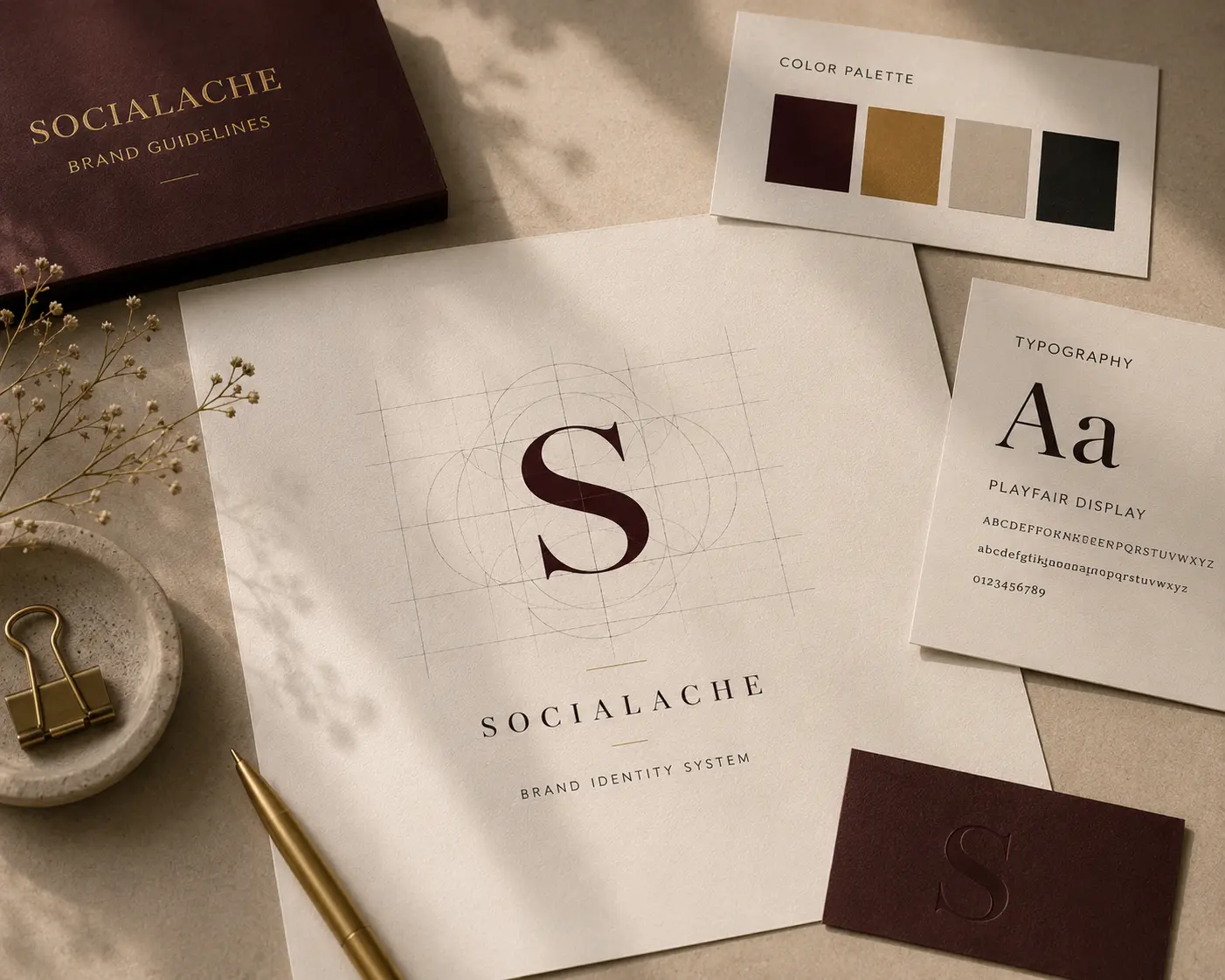
In 2026, any founder can generate a logo, a colour palette, website copy, and a pitch deck in an afternoon. The output looks professional. It also looks like everyone else — because the tools optimise for polish, not specificity. That is why AI-polished branding is becoming a liability for businesses that need to be chosen, not just seen.
Polish is no longer a differentiator
Two years ago, a clean logo and consistent Instagram grid signalled professionalism. Today, they signal that you have access to the same tools as ten thousand other startups. Differentiation has moved upstream — to positioning, methodology, and the human trust layer that AI cannot manufacture.
Case study: VenusLab33
VenusLab33 is a premium Vedic astrology practice where the purchase decision is almost entirely about trust and methodology. Clients are not buying a logo. They are buying confidence that the practitioner has rigour, discretion, and a framework they can believe in.
Generic spiritual branding — lotus motifs, gold gradients, mystical stock imagery — would have made VenusLab33 invisible in a sea of AI-generated "cosmic wellness" aesthetics. Instead, the brand needed to communicate decision discipline: premium positioning, human trust, and a methodology clients could sense before they booked. AI can produce the visual polish. It cannot produce the specificity that makes someone choose one practitioner over another.
When trust is the product, generic polish is not an asset. It is a warning sign.
Where AI helps — and where it hurts
- Helps: drafting variations, exploring layout options, speeding up production once decisions are made.
- Hurts: inventing positioning, writing brand stories before strategy exists, generating logos without competitive context.
- Destroys credibility: pitch decks and business plans filled with AI-inflated market claims and vague superlatives — the same failure mode we describe in strategic documents that overpromise.
Specificity is the new premium
The brands winning in India right now share one trait: you could not mistake them for a competitor. Dental Bliss signals calm precision in healthcare. SocialGully feels like a specific place in Rishikesh, not "boutique hospitality." NFPL reads like engineers, not a template engineering firm. None of that comes from prompting a tool.
The web layer matters too
AI-polished branding extends to websites — templated layouts, generated copy, stock photography. Search engines and AI assistants are getting better at recognising undifferentiated content. Structural readiness for AI discovery is a separate but related problem — we cover it in AI search readiness.
What to do instead
- Answer the three clarity questions before you open any AI tool — see our branding primer.
- Write your story in your own words first — our framework for non-writers.
- Use AI to accelerate production, not to replace thinking.
- Invest in brand when specificity matters for your category — healthcare, professional services, premium consumer, B2B trust.
Pair this with how to make your website ready for AI search — brand specificity and structural discoverability work together.
We build brands that feel specific because the strategy underneath is real — not generated. Pair that with an AI-ready website in Gurgaon when discovery matters as much as identity. Book a clarity call if you want an honest read on whether your brand is differentiated or just polished.
Continue Reading
Related writing from the journal.
Have a project that needs this level of thinking?
We write about what we build. If you need brand, web, or document systems with the same degree of structure and clarity, start a conversation.